The Influence of Punk 02: The Designers Who Built the Look
In the first article of this three-part series, I spoke about the influence of punk on motion graphic design, the punk rock revolution in the UK, and how inspiring it was to young people like me. Today, I’ll talk about some of the great designers who emerged from that scene. I’ll start by looking at two key players who defined the style of the Punk Rock movement in the UK.
There isn’t one person responsible for the style of Punk. It was a coming together of minds and styles—a collective, group activity that gained momentum. As a result, the various styles of the people involved merged into an established fashion. But the pivotal figures were the ones who recognized the elements that would excite and brought them together with style, panache, and, of course, an eye for design.
The punk movement grew out of disillusionment with the establishment, the music scene, fashion, and the media. What better way to show your dissatisfaction than to tear it all up and start again? That’s exactly what punks did.
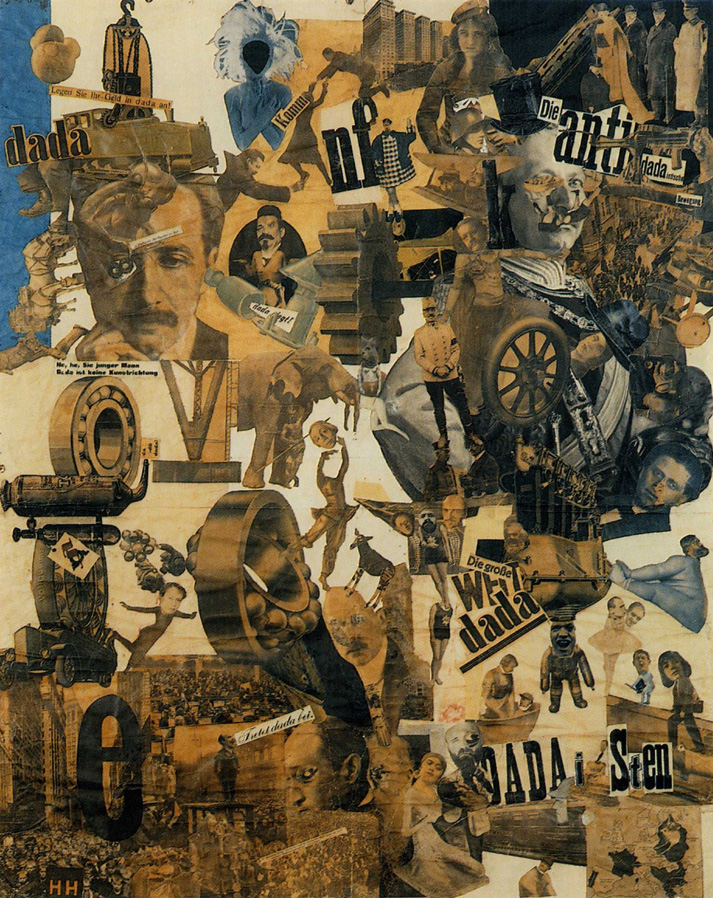
Essays on design refer to this as Deconstruction. This wasn’t a new concept; post-modern art movements like the Dadaists and, ironically, the Constructivists, used techniques of disassembly and reassembly to shake up the status quo and embrace a new way of looking at things.
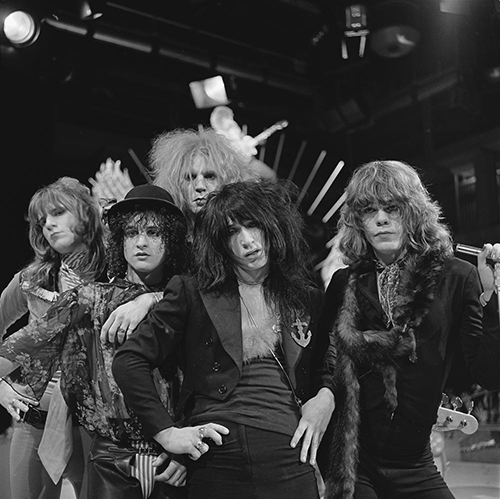
In New York in the early seventies, bands like the New York Dolls would dress up in women’s clothes in an attempt to shock away the apathy that existed in the music scene.
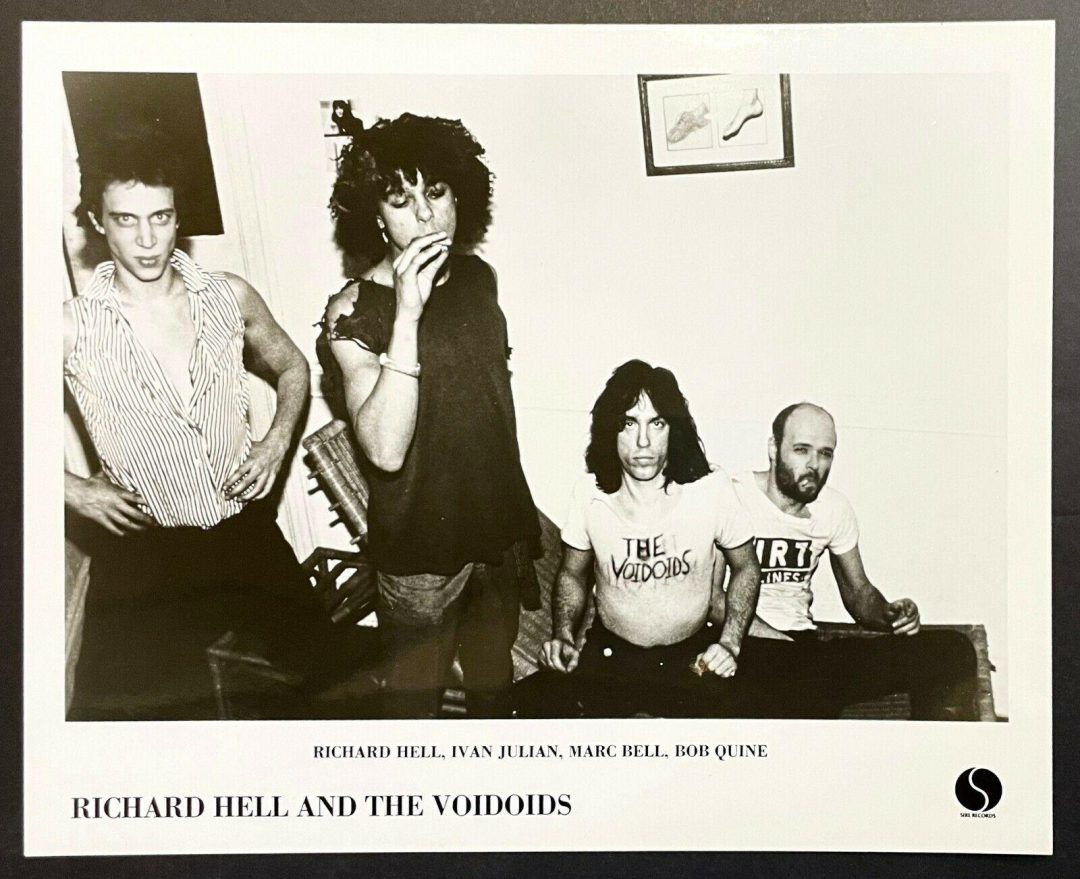
Richard Hell was the one who became a blueprint for thousands of young punks, defining the spikey hair and ripped t-shirt look before anyone else. But it was really Vivienne Westwood who took the look and developed it into a recognizable style.
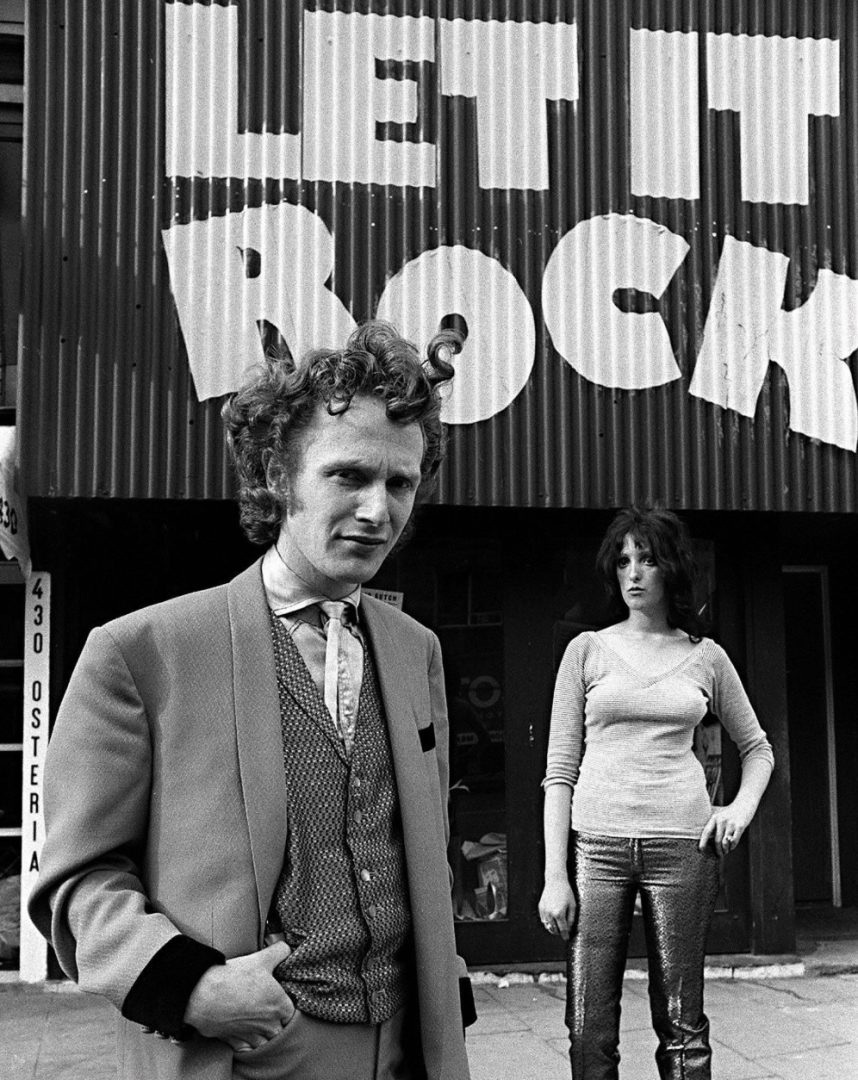
Now one of our top designers, she started off with a small clothes shop on the King’s Road in London. She and Malcolm McLaren owned Let It Rock, a shop selling biker gear and teddy boy clothes.
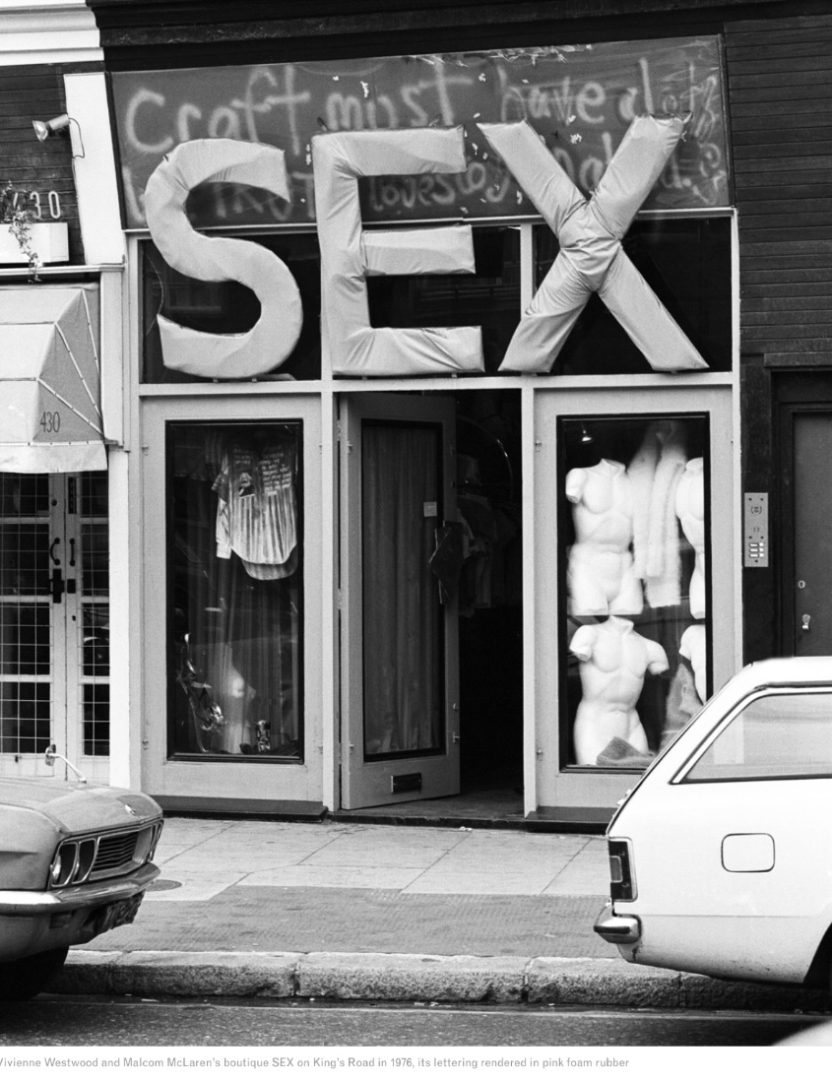
In 1974, this was revamped and renamed SEX, catering to the S&M scene and positioning itself nicely to shock the nation and take punk rock to the headlines.
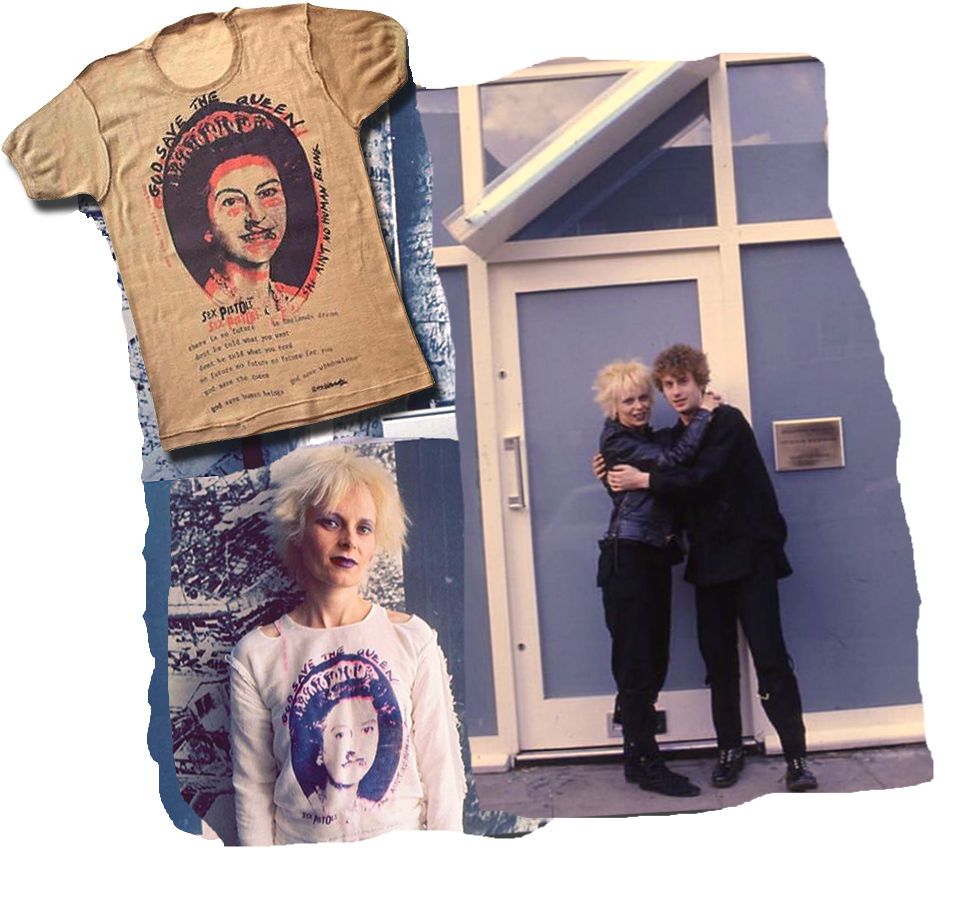
The Sex Pistols hung out in the shop, and that’s where the whole thing took off. The band formed, McLaren became the manager, and Vivienne designed clothes for them under the label Seditionaries. It was a symbiotic relationship.
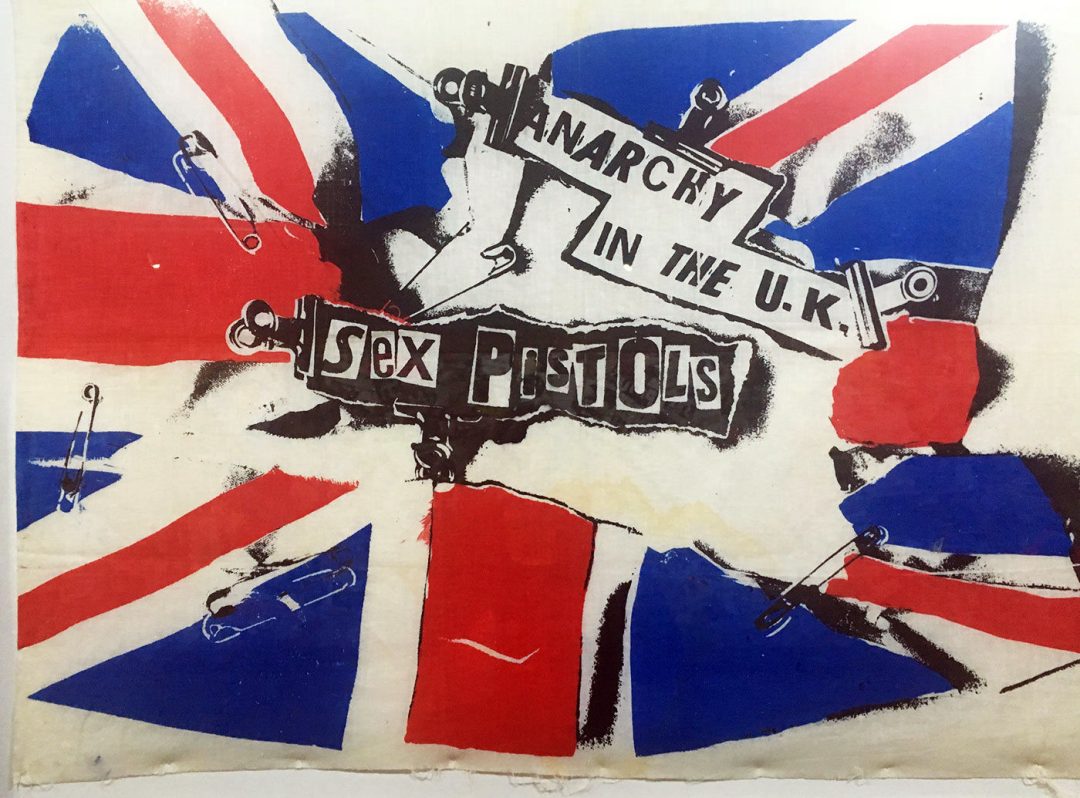
At art school, Malcolm McLaren met Jamie Reid, a political activist and Situationist who was producing a radical magazine called Suburban Press.
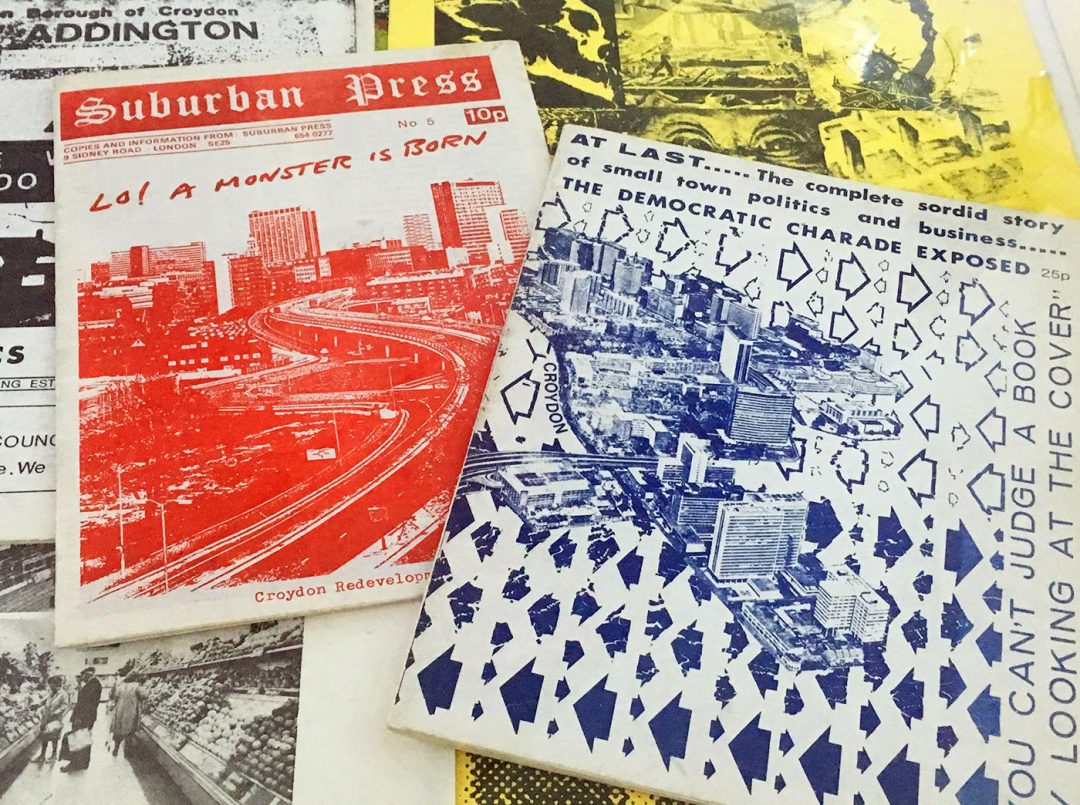
He used a cut-and-paste style of graphics in this magazine, and it was then that he defined his trademark ransom-note lettering that was made famous by the Sex Pistols’ first album, Never Mind the Bollocks, Here’s the Sex Pistols.
The Situationist International was a group of revolutionaries who believed that capitalism had turned life into a passive spectacle. Their solution? ‘Détournement’ – the hijacking of existing images and texts to create new, subversive meanings.
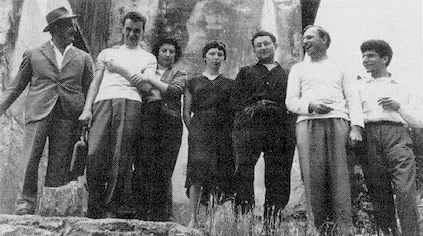
They didn’t just want to protest; they wanted to disrupt the visual language of the media itself. This philosophy is exactly what Jamie Reid applied to the Sex Pistols. By tearing up advertisements and reassembling them into ransom notes, he wasn’t just making a poster; he was performing a Situationist act of war against the status quo. It was art as a weapon, designed to make the viewer stop, think, and question everything
This lineage of visual disruption stretches back even further to the Dadaists of the 1920s. Artists like Hannah Höch perfected the art of photomontage, tearing apart mass media images to expose the absurdity of society.
That same spirit of ‘cut and paste’ rebellion was alive and well in the punk era. Gee Vaucher, the visual voice of Crass, used stark, hand-drawn collages to deliver anti-war and anarchist messages.
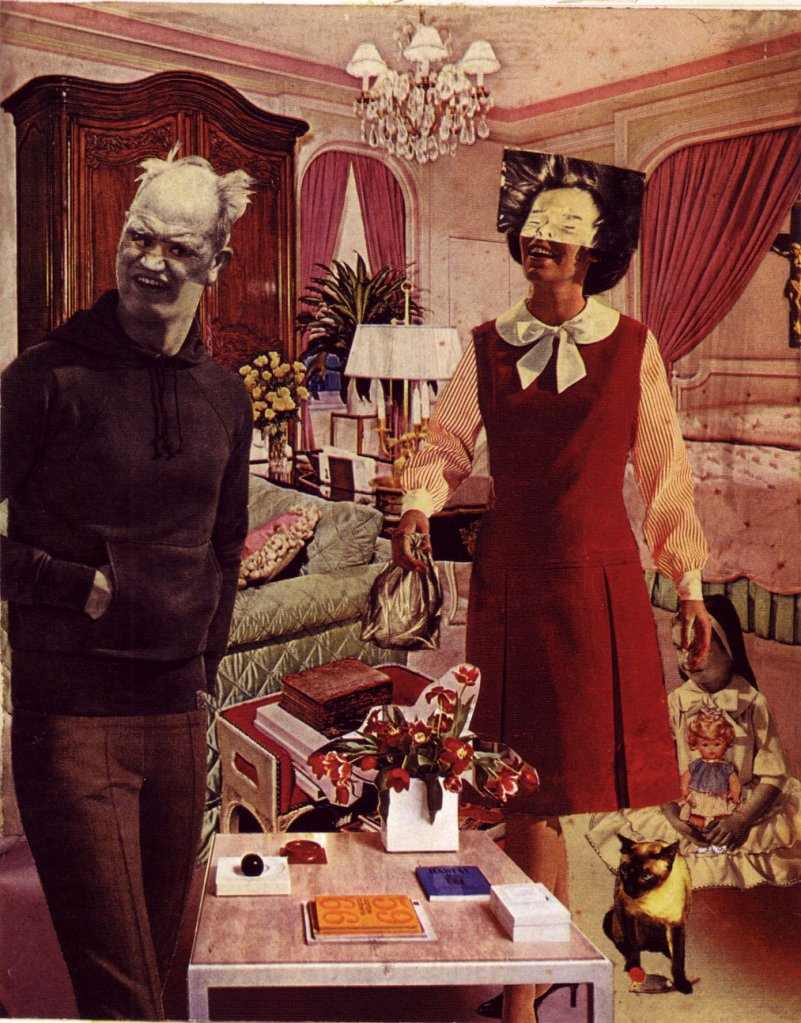
Linder Sterling took it a step further, creating iconic, grotesque collages for the Buzzcocks and The Slits that challenged gender norms and consumer culture.
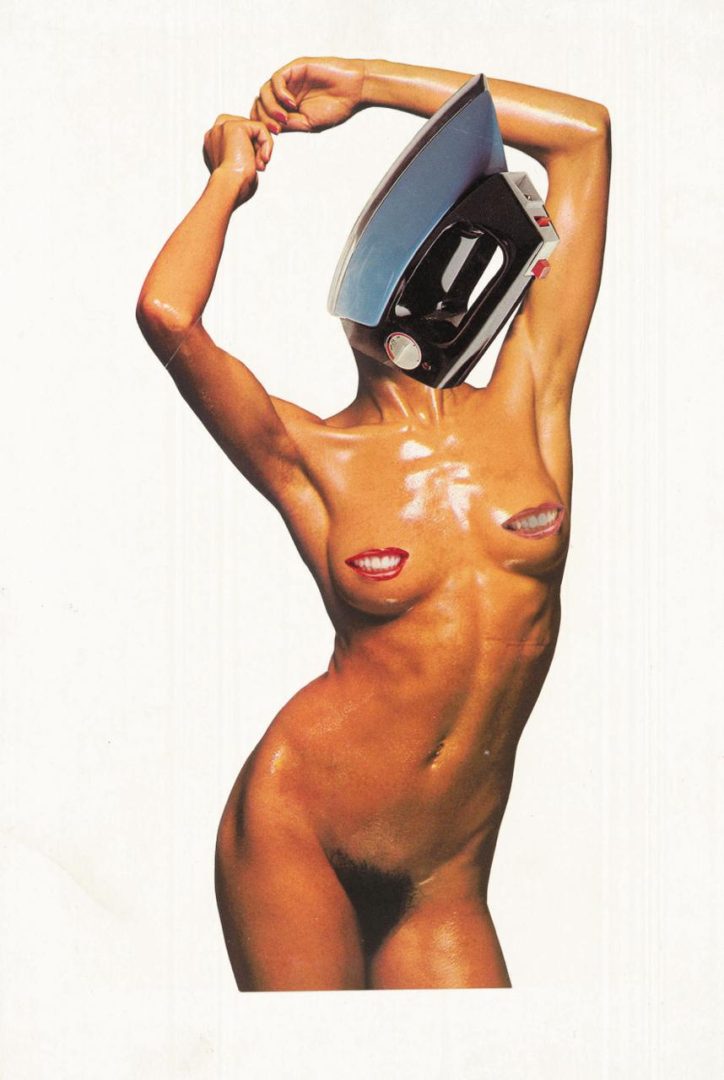
These artists proved that you didn’t need expensive equipment to make a statement; you just needed scissors, glue, and a willingness to tear the world apart and put it back together differently.
In the next installment, we’ll take a more closer look at the designers who emerged from, or were directly influenced by, the punk movement—and how their work lives on in art and design today.
Patti Smith – Smells Like Teen Spirit, listen free on Last FM